Biography
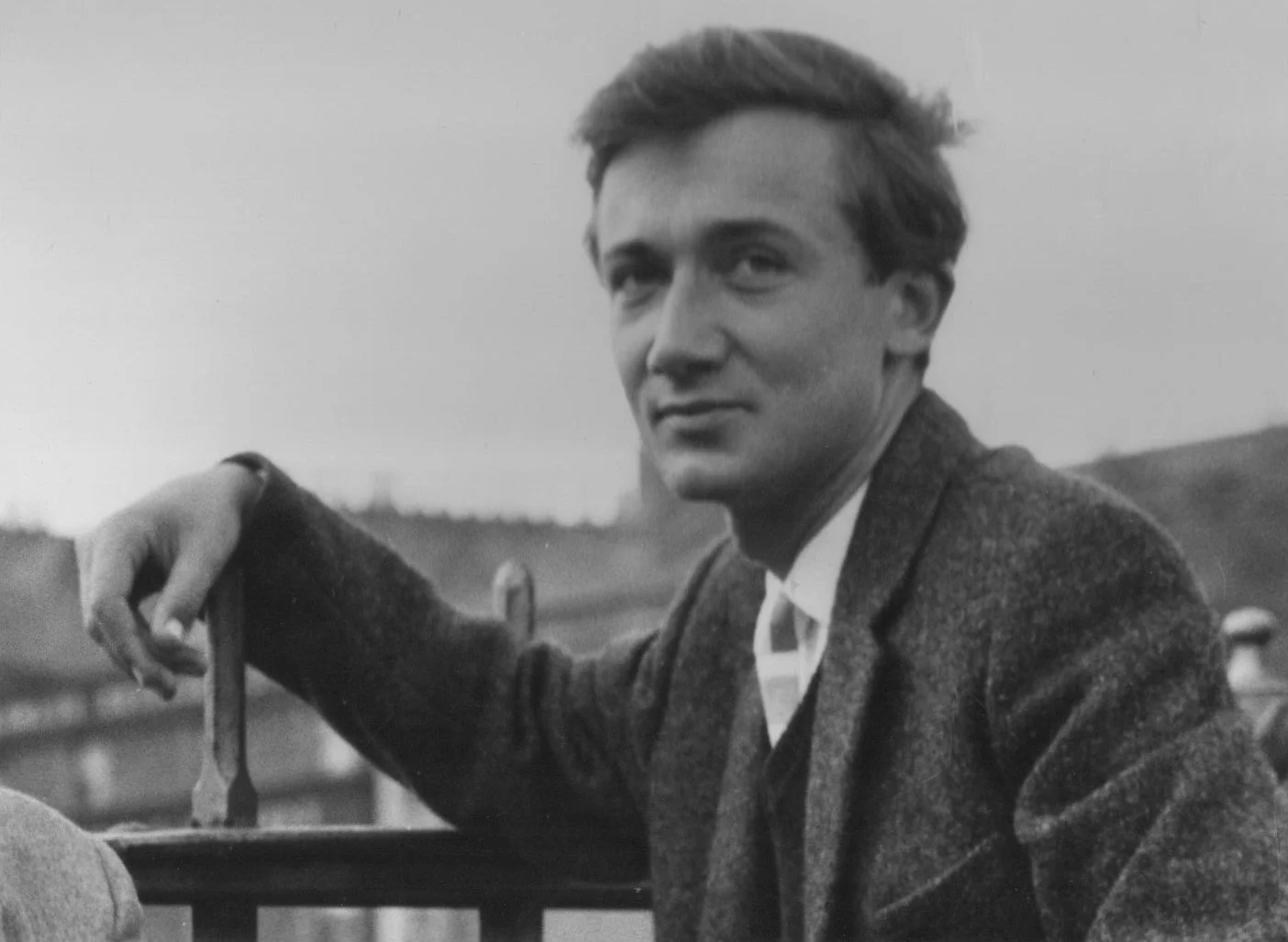
Rainer Erler (1933–2023) was a German author, director and producer whose career left a lasting mark on television, cinema and literature.
Early Life and Education
Born in Munich, German in August of 1933. Fascinated by film from an early age, he gave lectures on dramaturgy, wrote plays and screenplays and contributed to youth film clubs. He graduated from the Realgymnasium in Icking in 1952, after studies that included extended stays in Switzerland and Sweden.
Training and Early Career
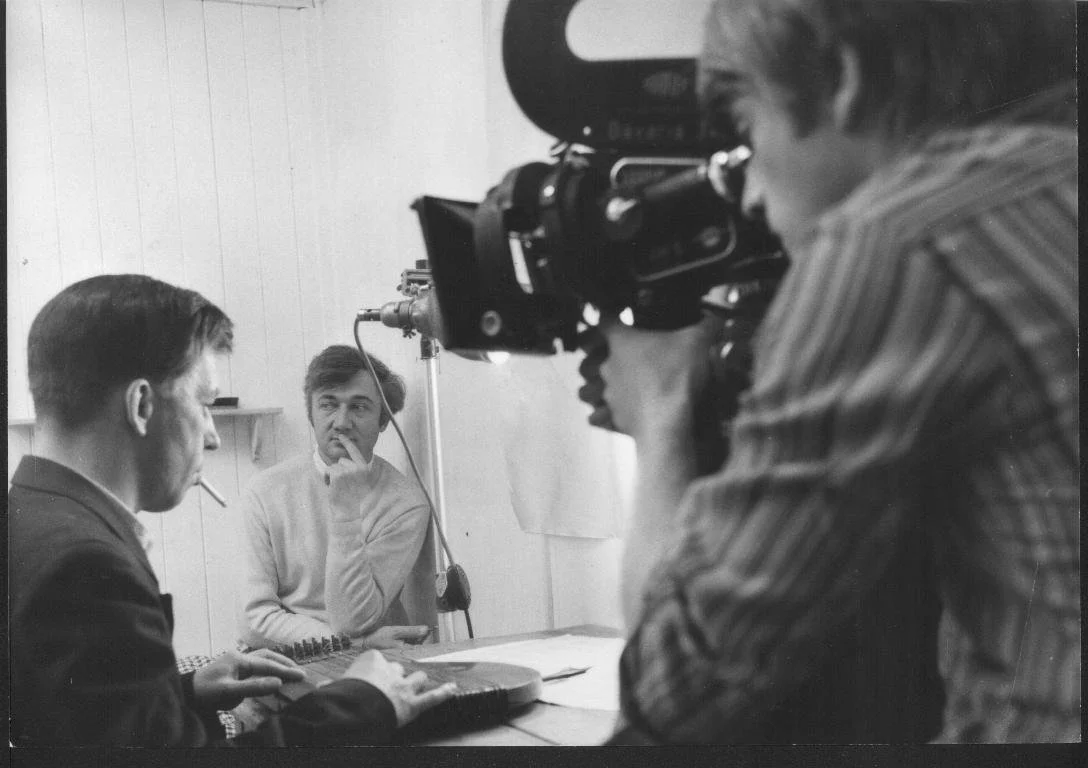
Erler trained in the film studios of Munich, Berlin, Hamburg and Vienna, working as an assistant to renowned directors such as Rudolf Jugert, Harald Braun, and Kurt Hoffmann. He studied production under the legendary Eric Pommer, producer of Metropolis and The Blue Angel. His travels through Europe and Africa enriched his perspective and sharpened his craft.
Breakthrough and Recognition
His first feature film, Seelenwanderung (Transmigration of Souls, 1962), won multiple awards, including the Ernst Lubitsch Prize, Prix Italia and Golden Nymph in Monte Carlo, establishing him as a major creative voice. Other successes followed, such as Sonderurlaub (Special Leave, 1963), Orden für die Wunderkinder (Order for the Prodigy Children), and Der Attentäter (The Assassin), each earning critical acclaim.
The Science Thriller Genre
From the late 1960s onward, Erler became known for productions that blended science fiction with social and ethical questions. Die Delegation (1970) won the Golden Camera Critics’ Award, while his landmark five-part series Das Blaue Palais (1974–1976) explored cutting-edge themes including genetic engineering, parapsychology, and environmental hazards. Erler coined the term “science thriller” to describe this unique blend of speculative storytelling and contemporary critique.
Through his company Pentagramma filmproduktion, founded with his wife Renate in 1972, Erler produced acclaimed works such as Sieben Tage (Seven Days), Operation Ganymed, Plutonium, and Fleisch—the latter broadcast in over 120 countries. He continued to experiment with formats, producing satirical, ecological, and political thrillers, including Das schöne Ende dieser Welt and News – Bericht über eine Reise in eine strahlende Zukunft (The Nuclear Conspiracy), which was released in 18 countries and received numerous awards.
Literary and Theatrical Work
Alongside his films, Erler wrote novels that often paralleled his screen projects, including Die Delegation (1970), Das Blaue Palais (five volumes, 1974), and Fleisch (1979), which sold over 400,000 copies. He also published short stories such as Orchidee der Nacht and wrote comedies for the stage, adapting Ibsen and Gogol for modern audiences.
Legacy
Erler’s achievements were recognized with numerous international prizes, and in 2000 the Academy of Arts in Berlin established the “Rainer Erler Archive.” He was a founding member of the German Directors’ Association and an active supporter of environmental organizations such as Greenpeace.
In 2004 Rainer was awarded the Bundesbedienstkreuz am Bande for his continued contributions to the German film industry.
Married for over six decades to producer Renate Erler, he was also a father and grandfather, dividing his time between Bavaria, Germany and Perth, Western Australia. Rainer Erler passed away in November of 2023, leaving behind a rich legacy of films, novels and theatrical works that continue to resonate with audiences and influence storytellers worldwide.